
You land in Costa Rica with a swimsuit, sunscreen, and a very reasonable fear of waves that suddenly feel bigger in real life. You are not behind. You are exactly where every surfer starts – curious, slightly humbled, and hoping the trip ends with you standing up more than once.
A surf camp in Costa Rica can be the fastest way for beginners to go from “whitewater chaos” to riding real, clean waves with control. The key is picking a camp that’s built for progression, not just “we’ll push you into a few waves and call it a win.” Here’s what you should genuinely expect from a surf camp Costa Rica beginners book when they want to learn safely, improve quickly, and still feel like they’re on vacation.
Why Costa Rica works so well for beginners
Costa Rica is one of the rare places where the surf can be both approachable and consistent. You’re not gambling your whole vacation on one lucky day of small waves. Many breaks offer mellow sand bottoms, warm water, and surfable conditions across a wide range of tides.
For beginners, the biggest win is repetition. The more waves you catch with decent form, the faster your brain and body learn the timing. A good surf destination gives you enough rideable days to build momentum. Costa Rica does that, especially on the Pacific coast.
It’s not magic, though. Conditions still change daily. Wind, tide, and swell direction can turn a “beginner-friendly” spot into a frustrating one. That’s why guided spot selection matters as much as the destination itself.
What a beginner surf camp should actually include
When people hear “surf camp,” they sometimes picture bunk beds and a couple of lessons. For a true beginner, the right setup is more like a structured training week wrapped inside a beach vacation.
At minimum, you want daily coaching in the water, not just a one-time lesson. You also want someone handling the details that quietly make or break your learning curve: the right board, the right wave, and the right amount of challenge.
A strong beginner program typically includes daily surf instruction, safety and ocean awareness training, and a coaching plan that builds in steps. It also includes equipment that matches your size and skill level – usually a stable soft-top or a high-volume funboard that helps you paddle, pop up, and trim without fighting the board.
And if you’re traveling internationally, logistics matter more than people admit. Airport transfers, meals, and having boards on-site mean you spend less time troubleshooting and more time surfing.
The learning ladder: how beginners progress fastest
Beginner surfers usually don’t fail because they “can’t pop up.” They struggle because they’re trying to do everything at once – paddle, aim, time the wave, stand, and balance – while the ocean rearranges the plan.
The best camps teach in a ladder. You earn the next step by getting consistent at the one before it.
First comes positioning and timing in whitewater. That’s where you learn to pop up cleanly and ride straight with stability. Then you start angling your takeoff so you’re not just going toward the beach – you’re moving down the line. From there, you begin reading peaks, choosing better waves, and paddling into “green waves” (unbroken waves) with more independence.
A big sign of a quality camp is that it teaches etiquette early, not as an afterthought. Knowing where to sit, who has priority, and how to avoid collisions isn’t just “being polite.” It’s how beginners stay safe, feel confident, and get welcomed into lineups.
Why video coaching changes everything
If you’ve ever left the water thinking, “I swear I stood up,” video will settle the debate quickly.
Beginner surfers improve faster when they can see what they’re doing. Most people feel like they’re staying low, looking forward, and placing their feet well. On camera, they’re often standing tall too early, staring at their toes, or popping up with knees collapsing inward.
Good video coaching is not about critique for critique’s sake. It’s about giving you one or two actionable fixes for the next session. Maybe it’s “hands under your chest, not by your ribs,” or “look down the line before you stand.” Small adjustments, repeated across multiple days, are what turn random successes into repeatable skills.
Boards: the quiet secret behind beginner success
Many first-time surfers underestimate how much the board matters. A board that’s too small turns every session into a paddling workout with very little learning. A board with enough volume forgives imperfect timing and helps you catch waves earlier.
A beginner-friendly camp should have a real board quiver, not a one-size-fits-all rack. Your ideal board can change as you progress during the week. Day one might be a bigger soft-top for stability and wave count. By day four, you might be ready for something a little shorter that turns easier.
Unlimited access to boards is a serious advantage because it keeps the learning focused on skill, not on “making do” with whatever is left.
Location matters: why “beachfront” is a training tool
For beginners, proximity isn’t just convenience. It’s consistency.
When you’re staying right by the break, you can surf more often, rest more effectively, and slip in extra practice without turning it into a logistical project. You can also time sessions better. Beginners do best when they surf in manageable conditions, often in the morning when winds are lighter.
Beachfront also makes the whole experience feel lighter. You can surf, grab breakfast, take a break, and go again – without spending your energy on transportation and planning.
What a typical beginner day feels like
Expect early starts, but not in a punishing way. A well-run camp builds the schedule around the best conditions for learning, which often means morning sessions.
You’ll usually begin with a quick on-land briefing: what the ocean is doing today, where you’ll paddle out, and what your focus will be. Then you’ll surf with your coach in the water, getting real-time feedback.
After the session, beginners benefit from a reset – food, hydration, and maybe a technique talk. Afternoons might be a second surf, a video review, or guided free surf where coaches help you apply what you learned without overloading you.
The best part is how quickly the days start to stack. By day three, your body learns the rhythm. Paddling gets easier. Pop-ups get faster. You stop thinking about every step and start reacting.
The trade-offs: surf camp vs. figuring it out yourself
Could you learn without a camp? Sure. Plenty of surfers started that way.
But for beginners traveling to Costa Rica, DIY has trade-offs. You’ll spend time hunting for the right beach, guessing the best tide, and choosing boards without knowing what will help you progress. You might save money, but you often lose surf time and burn energy on decisions that experienced coaches solve in minutes.
A camp costs more because it bundles coaching, equipment, and logistics. If your priority is maximum improvement in a short window – and a vacation that actually feels like a vacation – that bundle is usually the point.
What to look for when booking a surf camp Costa Rica beginners trust
Look for a camp that can describe its beginner curriculum clearly. You want to hear specifics: ocean safety, wave selection, pop-up mechanics, paddling technique, turning basics, and etiquette. Vague promises like “great for all levels” don’t tell you how you’ll be coached.
You also want transparency on what’s included. Daily breakfast, airport transfers, and board access remove friction. Structured lessons plus guided sessions keep you surfing in conditions that match your level.
Finally, credibility matters. A long operating history and a high volume of real guest feedback usually signal that the operation is dialed in – from instruction to hospitality.
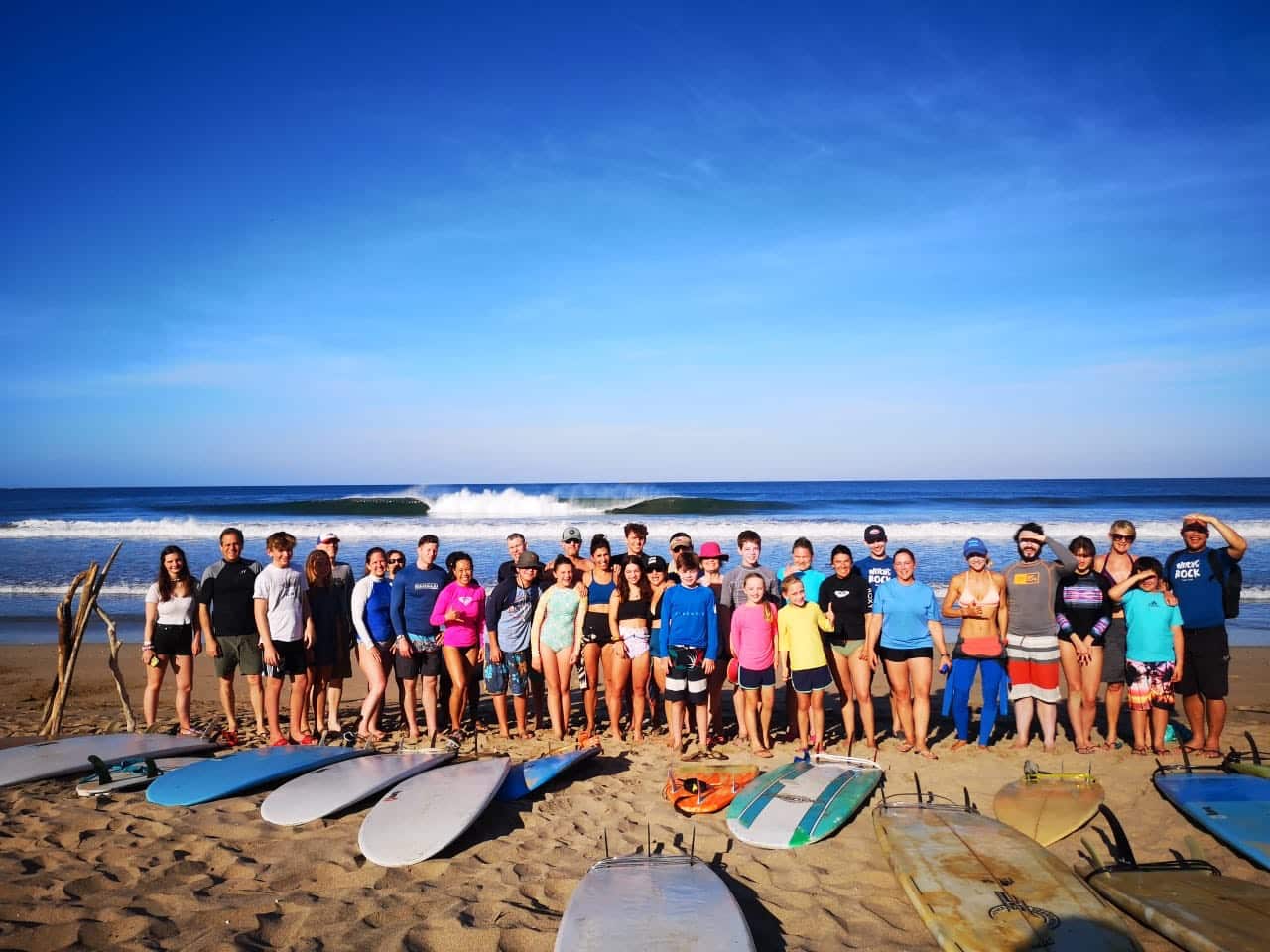
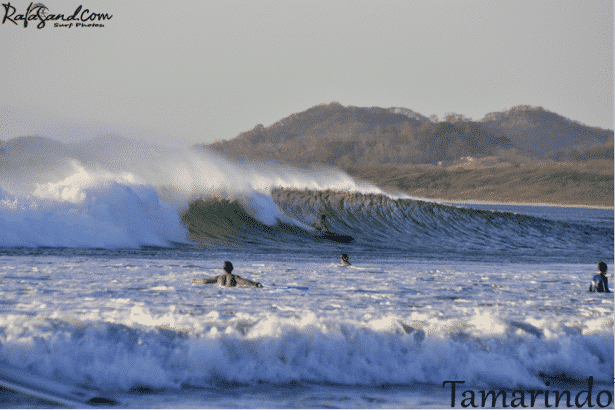
If you want an all-inclusive, beachfront program in Tamarindo that’s built around structured progression and guided access to the region’s best waves, Witch’s Rock Surf Camp has been doing exactly that since 2001, with 50,000+ guests and hundreds of reviews backing the experience.
How to get the most out of your week as a beginner
Come in with one goal: wave count with good form. Not a tiny board. Not fancy turns. Just lots of clean, repeatable rides.
Tell your coaches the truth about your experience. “I’ve taken two lessons” is useful information. “I can surf” is not. The more accurate you are, the better they can match you to the right board and the right spot.
And respect fatigue. Surfing uses muscles you don’t normally ask much from, especially paddling and core stability. If you’re wiped out, take a break, eat, hydrate, and come back fresher. Your best session might be the next morning.
The closing thought to keep in your back pocket is simple: beginners don’t need perfect waves – they need the right waves, the right board, and a plan that keeps them smiling long enough to get truly consistent.