
You don’t paddle out at Ollie’s Point because it’s convenient. You go because when it’s on, it feels like Costa Rica handed you a fast, clean runway and said, “Go.” The catch is that Ollie’s is not a “just show up” wave. It’s a mission – tides, swell direction, wind, boat timing, and a lineup that rewards confidence. That’s why an Ollie’s Point guided surf tour isn’t just a nice upgrade. For a lot of travelers, it’s the difference between scoring a lifetime session and burning a full day on the wrong call.
What an Ollie’s Point guided surf tour really is
An Ollie’s Point guided surf tour is a coached, local-led strike mission to one of Northern Costa Rica’s marquee right-hand points. It’s typically done by boat (and sometimes paired with other breaks depending on conditions), with guides making the call on when to go, where to anchor, and how to approach the lineup.
The “guided” part matters more here than at an easy beach break. At a wave like Ollie’s, your results depend on details – the tide window that makes the wave connect, the swell angle that lights up the point, and the wind that keeps it groomed. A good guide is basically your surf translator: reading the forecast, matching it to your ability, then keeping the day moving so you spend your energy surfing, not second-guessing.
Why Ollie’s Point is worth the effort
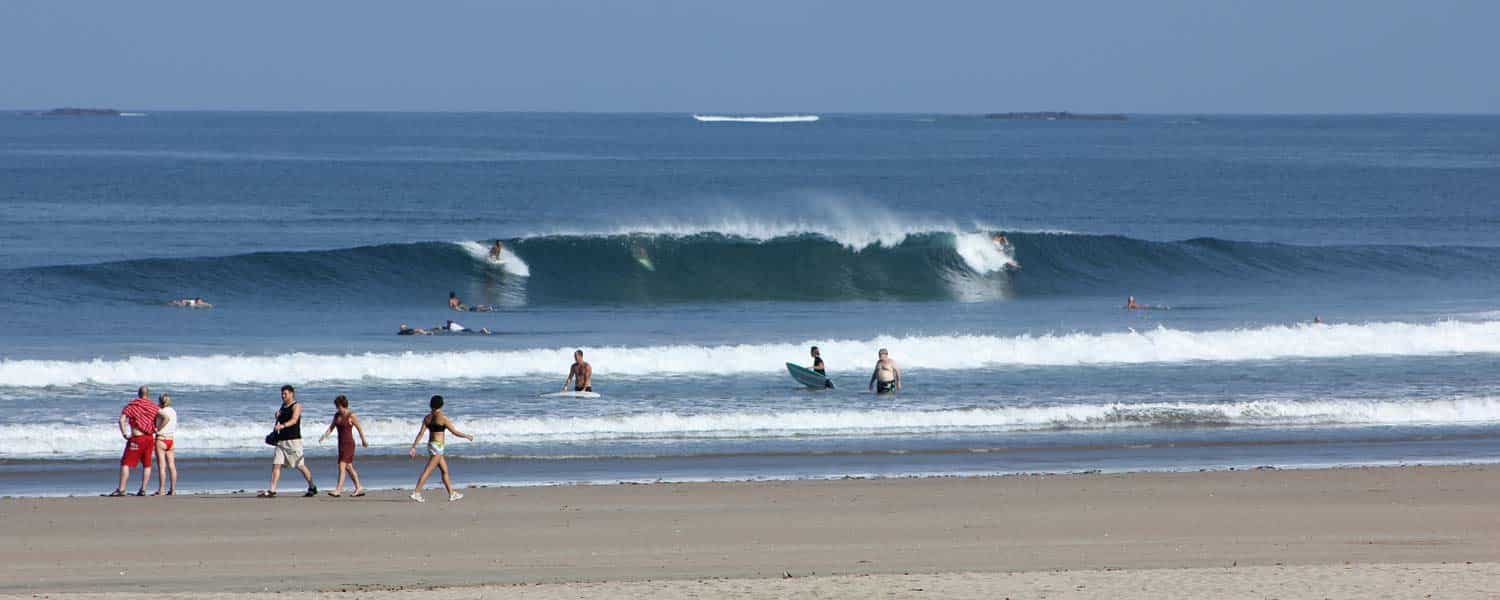
Ollie’s Point is famous for a reason. When it’s working, it’s a long, powerful right that can offer multiple sections: a steep takeoff, a fast wall for down-the-line speed, and pockets that let you set your rail or throw a few turns.
It’s also a wave that rewards wave selection. Pick the right one and you’ll get a real ride – the kind where your legs start burning and you’re still not ready for it to end. Pick the wrong one and you can get clipped, stuck behind the section, or forced into a survival line.
There’s a trade-off, though. Because it’s a point with real energy, it isn’t the place to “try your first green wave” or learn how to angle takeoffs. If you’re still working on popping up consistently, controlling your board, and staying out of people’s way, you’ll have more fun (and be safer) building that foundation somewhere else first.
Who should book an Ollie’s Point guided surf tour
This wave tends to fit three types of travelers.
If you’re an intermediate surfer who already catches green waves consistently, you’ll love Ollie’s because it gives you time. Time to set a line, time to adjust your stance, time to actually feel what your board is doing when you engage a rail.
If you’re advanced, you’ll appreciate how efficient a guided mission can be. The best days at Ollie’s are rarely accidental. Getting there at the right tide and staying mobile if conditions shift is how you stack the odds in your favor.
If you’re a confident beginner, the honest answer is: it depends. If you can paddle efficiently, pop up without hesitation, and steer down the line while respecting etiquette, a guide can help you choose a board and a takeoff strategy that keeps things manageable. But if you’re still in the whitewater phase or your pop-up is a coin toss, you’ll progress faster at a mellower, more forgiving wave.
The conditions that make or break the day
Ollie’s can look inviting from photos, but it’s a conditions-dependent wave. A guided tour is largely about stacking these variables correctly.
Swell direction and size
Ollie’s likes the right swell angle. Too small and it can feel soft or sectiony. Too big and it can get intense quickly – stronger currents, heavier takeoff, and less margin for error. Your guide’s job is to call it honestly for your level, not just chase the biggest number on a surf report.
Wind
Early is usually your friend in Costa Rica. Offshore or light winds keep the face clean and make the point feel organized. Once the wind picks up, a wave that was playful at 7:00 can turn sloppy by late morning.
Tide
Tide is often the secret sauce at point breaks. Get it wrong and the wave can shut down, break too fat, or get too fast and critical. A local guide will time the boat and session around the window that gives you the best chance at long, makeable rides.
How a guided tour changes your session
A lot of surfers assume guiding is mostly about transportation. At Ollie’s, the real value is decision-making and coaching in real time.
You’ll get help choosing where to sit and which waves to go. That alone can save you 30 minutes of trial and error and a ton of frustration. Your guide can also flag hazards you might not notice as a visitor – shifting channels, inside sets that swing wide, or the subtle lineup dynamics that keep the session friendly.
Coaching can be as simple as one cue that unlocks your whole ride: “Angle earlier,” “Stay lower through the drop,” “Look down the line, not at your board.” On a wave with this much runway, one good adjustment can turn a decent wave into your best wave of the trip.
What the logistics typically look like
Most Ollie’s Point guided surf tours are run as a half-day to full-day mission depending on conditions and how long the group wants to surf. You’re usually meeting early, loading boards, and heading out by boat.
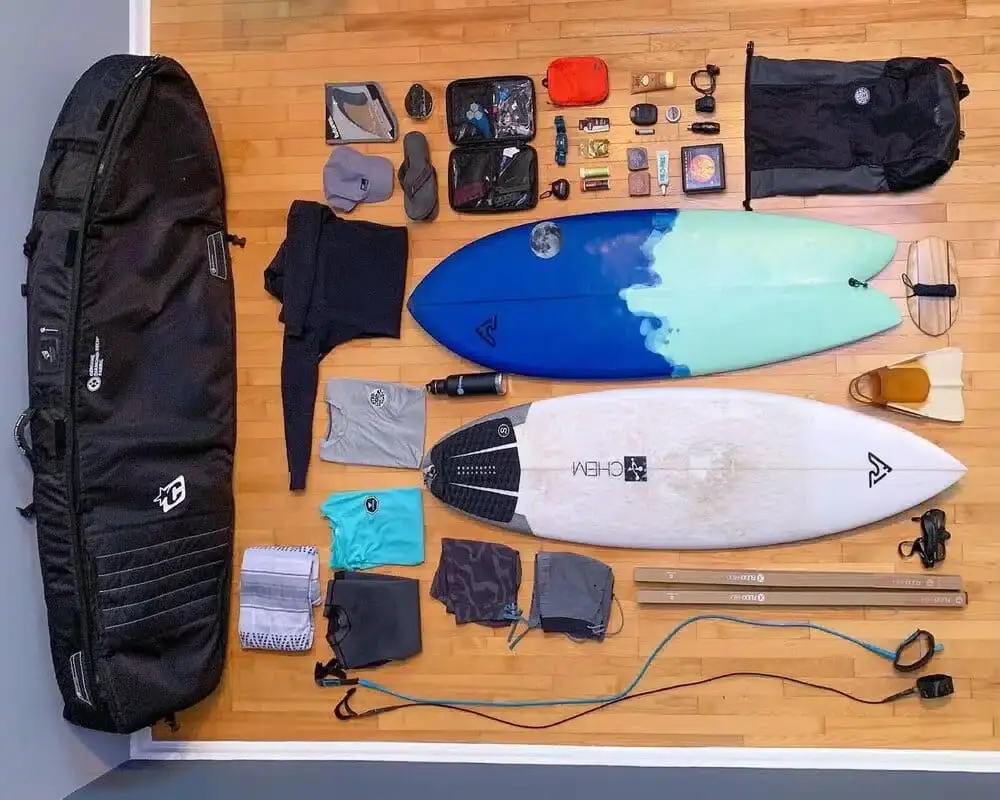
Because it’s a boat trip, planning is everything. You want the right board on board, the right fins, enough water, and a plan for sun protection that won’t turn you into a lobster by lunch. It’s also smart to bring a little extra energy – long rides are fun, but repeated paddles and the excitement factor add up.
One more honest note: boat-based surf days run on ocean time, not wristwatch time. If the guide says you’re waiting 20 minutes for the tide to hit, that’s not wasted time. That’s the difference between surfing a wave that connects and surfing a wave that shuts down.
Boards, equipment, and what works best
The “best” board depends on you, the swell, and how you like to surf. But in general, Ollie’s rewards glide and control.
If you’re intermediate, a slightly longer board with a bit more volume helps you get in early, set your line, and avoid late drops. That can be the difference between making the section and getting worked.
If you’re advanced, you might still choose more foam than you would at home – not because you can’t surf your shortboard, but because more waves equals more reps. On a wave that can serve you 100-yard rides, maximizing wave count is its own form of progression.
Etiquette and safety: the stuff that keeps the vibe good
Point breaks can be social, and they can also be tense if people ignore the basics. A guided tour helps because someone is actively managing behavior and expectations.
The big rule is simple: don’t take off in front of someone who’s already up and riding. At a right point, that often means being patient and waiting your turn, then committing when it’s yours.
Also, know your exit plan. On long walls, it’s easy to end up farther down the line than you expected. Your guide can help you understand where to kick out, where the channel runs, and when to paddle back versus letting the current do some of the work.
If you want the best experience, be the surfer everyone wants to share a lineup with: controlled board, clear decisions, and a little humility if the wave is pushing your limits.
Pairing Ollie’s with a structured surf trip
Ollie’s is a highlight session for many travelers, but it shines even more when it’s part of a progression plan. If you’ve been surfing inconsistent beach breaks at home, a few days of structured coaching can make your Ollie’s day dramatically better.
That’s where a program that combines daily instruction, video feedback, and guided wave selection can pay off. When your pop-up is automatic and you’re reading sections earlier, you don’t just “survive” a point break – you actually surf it.
If you want a turnkey way to do that from a beachfront base in Tamarindo, Witch’s Rock Surf Camp runs multi-night packages that bundle accommodations, daily coaching or guided tours, boards from an in-house quiver, breakfast, and airport transfers from Liberia. It’s built for travelers who want more water time and fewer moving parts.
Getting the most out of your Ollie’s day
If you treat an Ollie’s Point guided surf tour like a once-in-a-trip opportunity, you’ll naturally surf better. Eat a real breakfast, hydrate early, and warm up your shoulders before you paddle out.
In the water, focus on one improvement cue at a time. Maybe it’s angling earlier. Maybe it’s staying compressed through the first section. Maybe it’s looking down the line and trusting your rail. You’ll get plenty of chances, and the wave will tell you quickly what’s working.
And if conditions aren’t perfect? That’s part of surf travel. A good guide will pivot – different timing, different spot, different board choice – so you still walk away with a legit session and that satisfied, sun-tired feeling that makes the boat ride back quiet in the best way.
The best mindset for Ollie’s is simple: show up ready, listen to the local knowledge, and take what the ocean gives you. When it lines up, you won’t need a trophy photo to remember it – your legs will do that for you tomorrow.