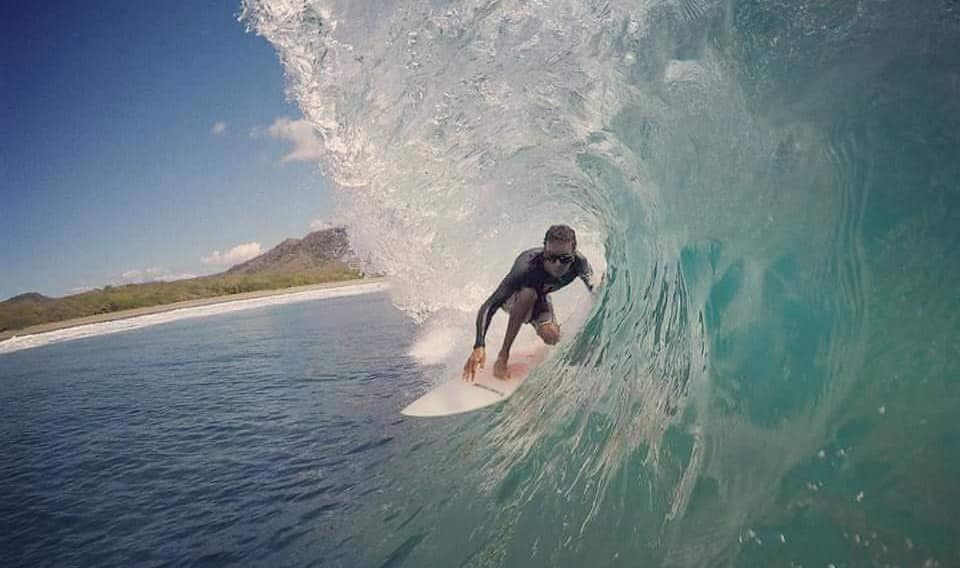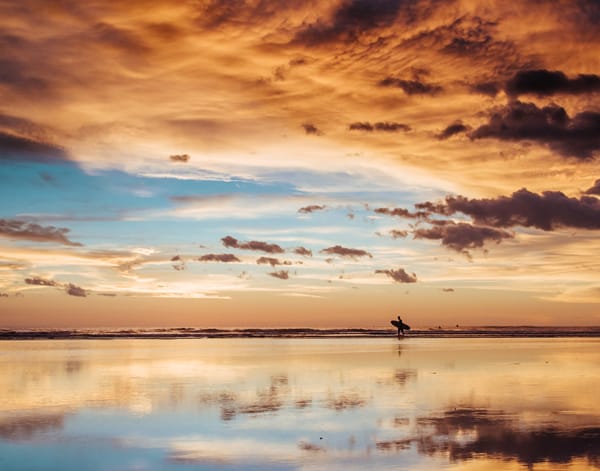

The moment that changes everything usually isn’t the first pop-up. It’s the second one – when your kid paddles back out smiling, you’re not checking the clock, and nobody’s hungry, sunburned, or overwhelmed. That’s the real promise behind a family surf trip in Costa Rica: shared wins, low stress, and enough structure that everyone actually progresses.
But “family friendly” can mean a lot of different things. Some camps use it to mean “we’ll rent you boards.” Others mean “we’ll keep your schedule simple.” What you want is something more specific: warm water, manageable waves, coaching that speaks kid and adult at the same time, and logistics that don’t eat the vacation.
What “family friendly surf camp Costa Rica” should actually mean
A true family friendly surf camp Costa Rica experience balances three things that don’t always line up on the same trip: safety, progression, and comfort. If one of those is missing, the whole week can start to feel like a grind.
Safety is not just having a lifeguard nearby. It’s wave selection that matches the most cautious surfer in your group, instructors who teach ocean awareness (currents, channels, sets), and a plan that avoids the chaos of crowded peaks when your kids are still learning etiquette.
Progression means the camp isn’t guessing. The best programs have a clear teaching ladder, give feedback you can use immediately, and adjust the day based on tide, swell, and wind. That matters even more with families because you don’t have unlimited “try again tomorrow” energy.
Comfort is the quiet hero. When your accommodations are close to the beach, meals are handled, boards are ready, and transportation is built in, you get more water time and fewer negotiations with tired children.
Tamarindo: why it works for families
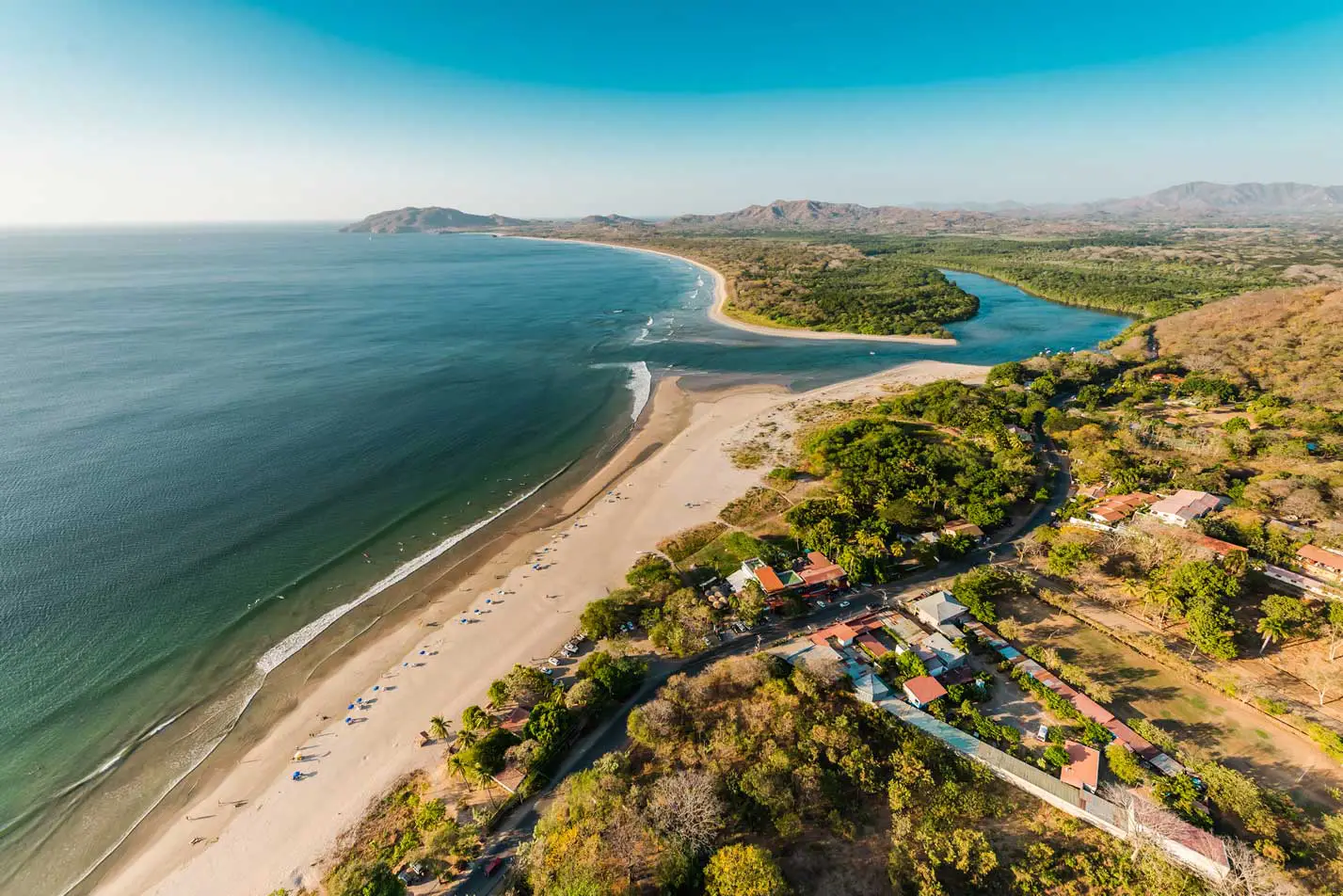
Costa Rica has plenty of surf towns, but not all of them are built for a family rhythm. Tamarindo consistently checks the boxes because it’s warm, easy to navigate, and anchored by a user-friendly beachbreak that often has forgiving sections for beginners.
For parents, that usually means you can take a lesson without feeling like you’re gambling the whole morning on conditions. For kids, it means more reps and fewer scary wipeouts. And for mixed-skill families, it’s a base that can support different goals without splitting the trip into separate vacations.
There’s a trade-off, though. Tamarindo is popular for a reason, so at peak times you can run into crowds. A strong surf program deals with that by planning sessions for the right tide windows, using instruction zones intelligently, and mixing in guided trips when the family is ready for a new challenge.
The coaching piece that makes families improve faster
If you’ve ever watched your kid learn something new, you know the pattern: they want one clear cue, lots of encouragement, and a fast reset when something goes wrong. Adults are the opposite – we want five tips, we overthink, and we carry the last mistake into the next wave.
A family-friendly surf program needs instructors who can coach both styles without watering down the information. That usually looks like:
Kids learning fundamentals through simple goals like paddling straight, popping up low, and riding to a target.
Adults learning the “why” behind the same fundamentals: where to sit, how to angle takeoffs, and how to read a shoulder.
When a camp adds video coaching and quick land-based reviews, the whole family levels up faster. You stop relying on vague feelings like “that wave was better,” and start seeing what changed in body position, timing, or line.
How to pick the right wave plan for your family
Here’s where families often get stuck: the best wave for learning is not always the most famous wave. A good camp doesn’t chase bragging rights. It builds confidence.
If you’re traveling with true beginners or younger kids, you want mellow surf with room to spread out. If you have an intermediate teen who’s athletic and impatient, they’ll progress faster with a bit more push – but only if the coaching keeps them from jumping too far ahead.
And if one parent is more advanced, the trip works best when there’s a plan that still lets them get quality waves without turning it into an “everyone waits for Dad” situation. That’s where guided sessions and smart scheduling matter. The family can share core sessions together, then split at the right times so everyone leaves the water happy.
What a well-run family surf camp day feels like
The best family surf days feel full, not frantic. You wake up close to the beach, grab breakfast without strategizing, and get a clear plan for the session.
A structured morning lesson is usually the anchor because winds are lighter and energy is high. After that, families tend to do well with a flexible midday: pool time, shade time, a nap for the youngest, a walk through town, or a second surf for the grom who refuses to sit still.
Late afternoons can be anything from a free surf to a guided trip, depending on conditions. The key is that you’re not spending your best hours figuring out transportation, board sizes, or where to paddle out. The camp’s job is to remove those decision points so your family can focus on the fun part.
What to look for in accommodations and on-site setup
Families feel the difference between “near the beach” and “on the beach.” When the ocean is steps away, you can run a simple day: sunscreen, rashguards, water, repeat. If you’re driving back and forth, the friction adds up fast.
Board access matters too. Kids often need more volume than you’d expect, and adults progress faster when they’re on the right shape instead of fighting a board that’s too small. A large on-site quiver lets you adjust on the fly, which is huge when your 11-year-old goes from timid to confident in two days.
Also pay attention to how a camp handles transportation from the airport and to different breaks. With families, private or organized transfers are less of a luxury and more of a sanity saver.
The questions families should ask before booking
Most camps will say they can accommodate families. Your job is to ask questions that force clarity.
How are lessons grouped: by age, by ability, or both? If your teen ends up in a group that’s too basic, they’ll check out. If your younger child gets pushed too fast, they’ll get scared.
What’s the instructor-to-student ratio in the water? Small groups are where confidence is built.
How do they choose surf spots each day? The best answer includes tides, swell direction, wind, and the family’s level – not just “we go where it’s good.”
What’s included in the package? When boards, breakfast, coaching, and airport transfers are bundled, you avoid the nickel-and-dime problem that makes family travel feel unpredictable.
A proven option in Tamarindo for families
If you want a turnkey, beachfront program that’s built around structured progression, Witch’s Rock Surf Camp in Tamarindo has been doing this for a long time – operating since 2001, hosting 50,000+ guests, and running a clear level-based system for beginners through advanced surfers. Their all-inclusive packages (4-night minimum) bundle beachfront accommodations, daily lessons or guided tours, video coaching and seminars, breakfast, unlimited rentals from a large in-house board quiver, and airport transfers from Liberia (LIR). For families, that combination is what keeps the trip feeling like a vacation while still getting real coaching outcomes.
Setting expectations by age and stage
It depends on your family, but a few patterns show up again and again.
Younger kids often do best with shorter, high-quality sessions and lots of celebration for small wins. The goal is joy and comfort in the ocean first, surfing skills second.
Teens can handle more feedback and tend to progress quickly when they understand the “game” of positioning and timing. They also benefit from video review because it feels objective, not parental.
Adults usually progress when they stop rushing. A camp that teaches wave selection, paddling efficiency, and calm takeoffs will give you more green waves than a camp that just pushes you into the lineup and hopes repetition solves it.
And for mixed-level families, the biggest win is having a plan that respects the beginner without boring the intermediate. That’s the difference between a family surf trip that everyone wants to repeat and one that becomes “remember when we tried that surf thing.”
A family surf camp in Costa Rica should leave you with more than photos. It should leave you with a shared language – what a good wave looks like, how to stay safe, and the confidence to paddle out together again next time.