
Is Costa Rica safe — and is Tamarindo safe to visit?
This guide separates facts from perception, explains why safety concerns are often misunderstood, and looks specifically at Tamarindo through the lens that actually matters: the real experience of travelers on the ground.
Understanding Safety the Right Way: Tourist Reality vs Headlines
When people search “Is Costa Rica safe?”, they are often shown national crime statistics without context. This creates confusion.
Here’s the key point:
👉 Tourist safety is not measured by national crime averages — it’s measured by what happens in tourist areas.
National crime data includes:
- Drug-trafficking activity
- Gang-related violence
- Urban neighborhoods far from tourism
- Domestic and local disputes unrelated to visitors
These factors do not reflect the reality of beach towns, surf destinations, or established tourist communities like Tamarindo.
The same logic applies everywhere:
- Crime in parts of Los Angeles does not define safety in Malibu
- Crime in New York City does not define safety in the Hamptons
- Crime in Mexico City does not define safety in Cozumel
Tamarindo must be evaluated as a tourist destination — not as a national statistic.
Is Tamarindo Safe Compared to Other Popular Destinations?
When Tamarindo is compared properly — city to city, destination to destination — the picture becomes clear.
Tourist Safety Profile (Destination-Level Comparison)
Destination | Typical Risk for Visitors |
Tamarindo, Costa Rica | Low — mainly petty theft |
Miami Beach, USA | Moderate — theft, nightlife incidents |
Los Angeles, USA | Moderate–High — car break-ins, robbery |
Cancún, Mexico | Low–Moderate — isolated incidents |
Barcelona, Spain | Low–Moderate — pickpocketing |
Paris, France | Low–Moderate — scams, theft |
What this shows:
- Tamarindo’s safety profile is equal to or better than many global tourist hotspots
- Violent crime affecting visitors is rare
- The most common issue is opportunistic, non-violent theft
What Actually Happens to Travelers in Tamarindo
For the vast majority of visitors, the experience is simple:
- They surf, eat, explore, and enjoy the beach
- They walk through town freely during the day
- They feel comfortable in restaurants, shops, and public spaces
Reported incidents typically involve:
- Leaving bags unattended on the beach
- Phones or wallets left visible
- Unlocked rental cars
These situations are entirely preventable and are no different from what travelers encounter in beach towns worldwide.
Is Costa Rica Safe for Surfers?
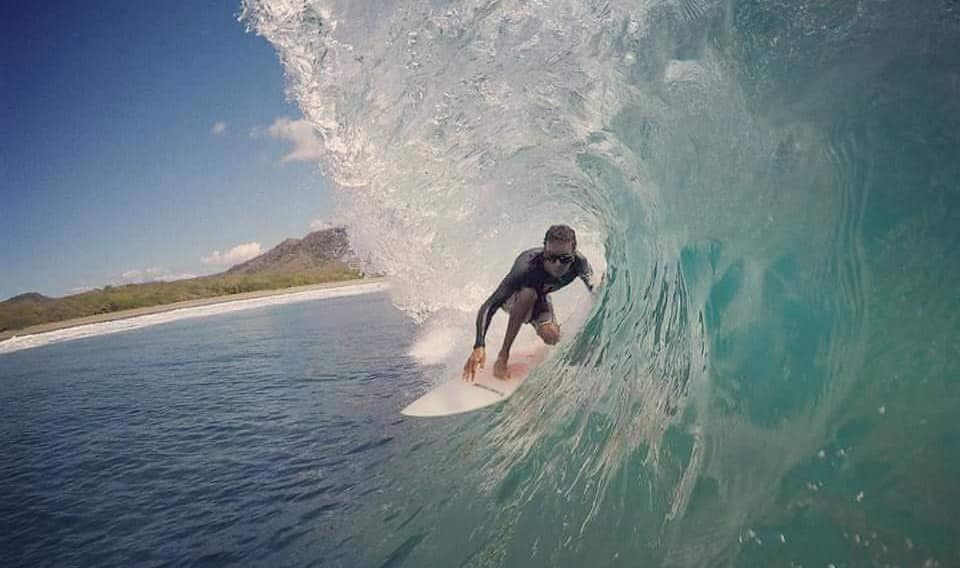
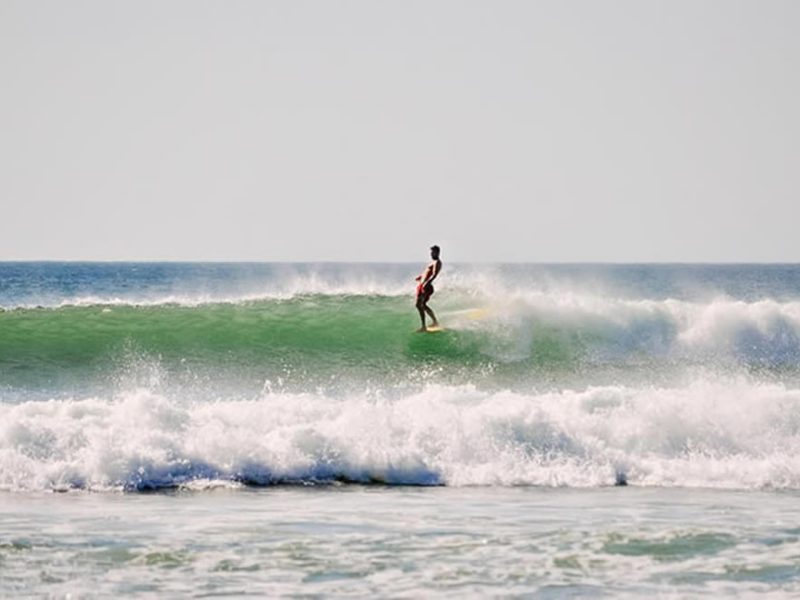
For surfers, Costa Rica — and especially Tamarindo — is considered one of the safest and most accessible surf destinations in the world.
Why?
- Surf culture is deeply embedded in the community
- Beaches are public, active, and well-trafficked
- Many surfers travel solo or in small groups year-round
- Local instructors and surf programs emphasize safety, etiquette, and awareness
Surf travel in Tamarindo is structured, social, and community-driven, which naturally increases safety both in and out of the water.
This is one of the reasons why programs like those offered by Witch’s Rock Surf Camp attract returning guests, families, and solo travelers year after year — not because Tamarindo is risk-free, but because it is well-established and predictable.
Is Tamarindo Safe for Families?
Yes — Tamarindo is widely considered one of the most family-friendly beach towns in Costa Rica.
Families appreciate Tamarindo because:
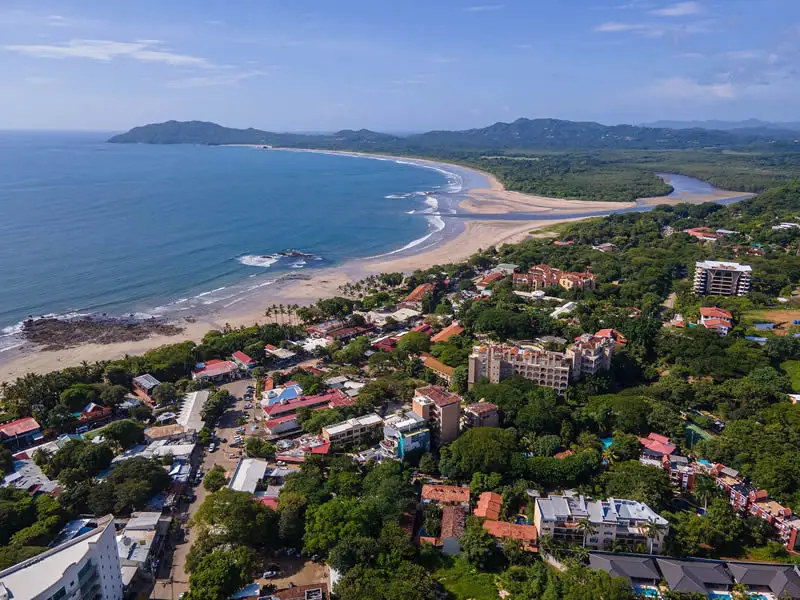
- The town is walkable and compact
- Medical services are nearby
- Activities are centralized (surf lessons, beach time, dining)
- Daytime safety is very high
- The atmosphere is relaxed and welcoming
Most families visiting Tamarindo report feeling more comfortable than expected, especially compared to larger cities or less developed destinations.
Is Tamarindo Safe for Solo Travelers & Young Travelers?
Tamarindo is especially popular with:
- Solo travelers
- Young adults
- First-time visitors to Central America
This works in favor of safety because:
- Travelers rarely feel isolated
- There is a strong social atmosphere
- Surf programs, tours, and group activities naturally create community
- People look out for one another
For solo travelers, Tamarindo offers a balance that is hard to find elsewhere:
social without being overwhelming, lively without being chaotic.
Why U.S. Embassy Alerts Are Often Misunderstood
U.S. State Department advisories for Costa Rica typically fall under “Exercise Increased Caution” — the same level assigned to many European countries and popular destinations worldwide.
Important context:
- These advisories are broad and conservative by design
- They apply nationally, not specifically to Tamarindo
- They are not warnings to avoid travel
An advisory is not a reflection of daily tourist experience, but rather a legal and informational guideline.
Common Myths vs Reality
Myth: “Costa Rica is unsafe for tourists.”
Reality: Millions of tourists visit every year with overwhelmingly positive experiences.
Myth: “Tamarindo is dangerous.”
Reality: Tamarindo is a mature, tourism-driven beach town with safety levels comparable to popular U.S. and European destinations.
Myth: “Surf travelers are at higher risk.”
Reality: Surfers often experience higher safety due to structured programs, community presence, and local knowledge.
Final Takeaway: The Real Answer to ‘Is Tamarindo Safe?’
✔ Tamarindo is safe by global tourist standards
✔ Violent crime affecting visitors is rare
✔ Most issues involve preventable petty theft
✔ The town’s surf-driven, community-oriented culture increases awareness and safety
✔ Families, solo travelers, and surfers consistently report positive, secure experiences
Tamarindo is not “perfectly safe” — no destination is — but it is well-understood, well-traveled, and well-prepared for visitors.
For travelers who apply basic awareness and common sense, Tamarindo remains one of the most enjoyable and reassuring destinations in Costa Rica.